

No Products in the Cart
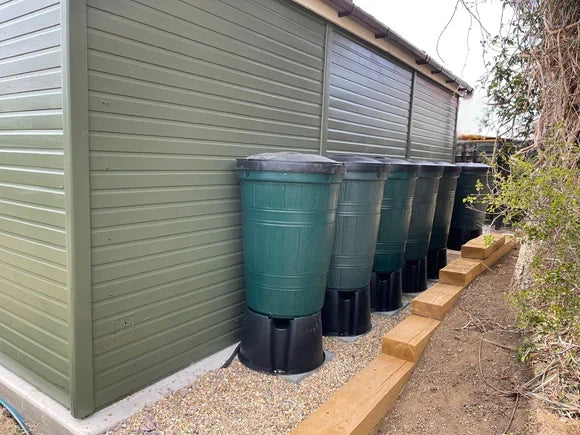
Several UK water companies have introduced hosepipe bans (officially "Temporary Use Bans") in 2026, and Thames Water has said restrictions in its area could stay in place well into the year. If you're in an affected postcode, or just want to be ready in case yours is next, there's a completely legal way to keep your garden watered without touching the mains tap: using rainwater you've already collected.
What a hosepipe ban actually stops you doing
A Temporary Use Ban restricts using a hosepipe connected to the mains or domestic water supply for things like watering the garden, washing the car, filling a paddling pool, or cleaning patios and driveways. Breach it and you can be fined up to £1,000. What it doesn't stop you doing is watering with a can, or using water that never came from the mains in the first place.
The bit most people miss: water butts are exempt
Water stored in a butt, tank, or any other container isn't part of the public mains supply, so it isn't covered by the ban. That means you can fill a watering can from a water butt, or run a hose or gravity-fed pipe straight off one, even while restrictions are in force. This is the main reason a full water butt suddenly becomes a lot more useful the moment a ban is announced — it's water you're allowed to use, that you've already paid nothing extra for.
How much water are we actually talking about?
More than most people expect. In an average UK rainfall year, even a modest roof of around 40m² can shed well over 20,000 litres down a single downpipe. Most of that currently runs straight into the drain. If you want a proper figure for your own roof rather than a rough average, our roof rainwater calculator will work it out from your roof size and location in a couple of minutes — it's a useful way to see whether one water butt is enough, or whether you'd benefit from more storage before the next dry spell.
Making free water go further during a ban
A single 100-200 litre butt won't out-water an established garden on a hot week on its own, so it's worth being deliberate about where the water goes:
- Prioritise pots, containers, and anything planted in the last 12 months — they dry out fastest and can't send roots down to find their own moisture.
- Water early morning or late evening, not the middle of the day, so less is lost to evaporation before it reaches the roots.
- Mulch bare soil and borders with bark, compost, or grass clippings to slow how quickly they dry out between waterings.
- Water the base of the plant, not the leaves — it's more efficient and reduces the risk of scorch or mildew.
- If you're regularly running a butt dry, connecting a second one to the same downpipe roughly doubles your reserve for very little extra cost or effort.
Don't wait for the next ban to sort your storage
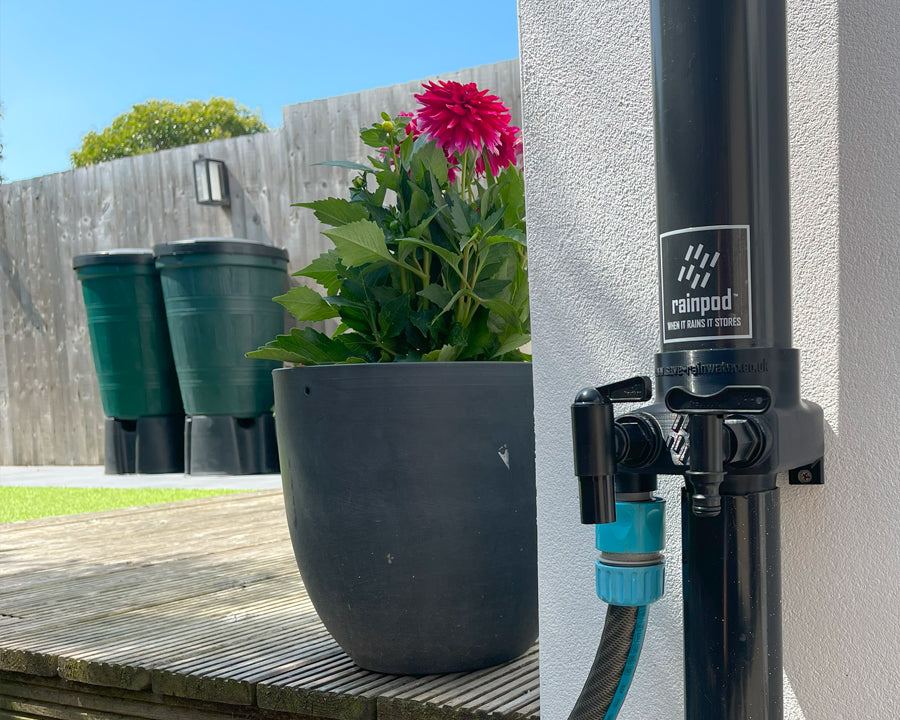
Whether or not your area is restricted right now, hosepipe bans have become a fairly regular feature of UK summers, and they tend to arrive with little warning. A RAINPOD system or a straightforward water butt under a downpipe takes an afternoon to set up and gives you a reserve that's ready before restrictions are even announced. If you'd rather not deal with fittings and connectors, RAINTAP is designed to go in without any plumbing at all.
Bans come and go, but a full water butt means your garden doesn't have to depend on either.



Comments